


THE JOURNAL
Made in USA
THE JOURNAL
THE JOURNAL-collaborations-American Riders
THE JOURNAL-STORIES-Men-Twistin' In Your Bucks
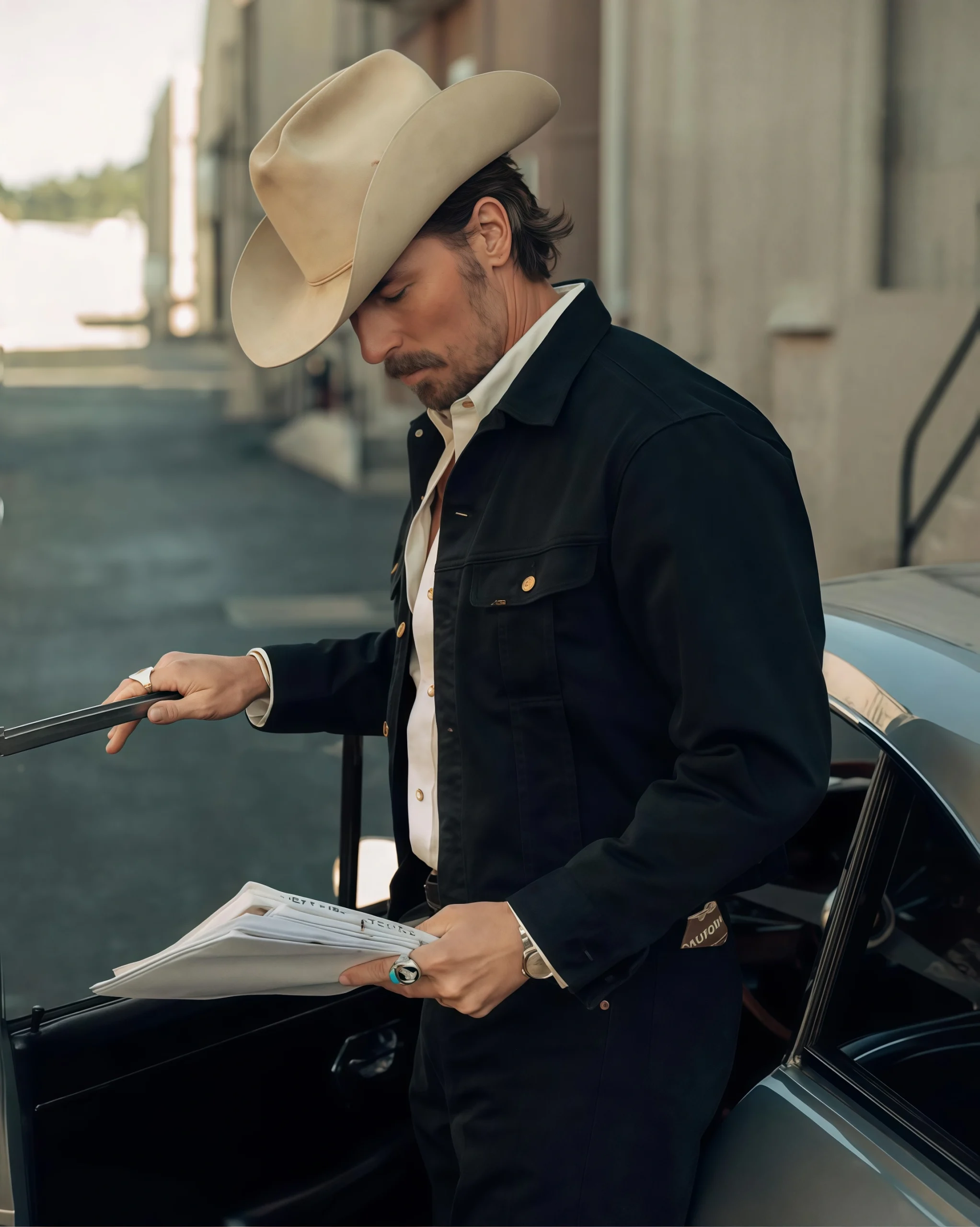
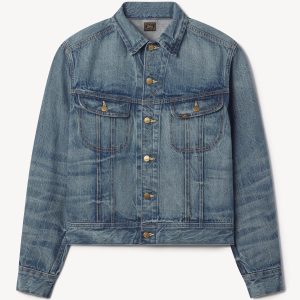
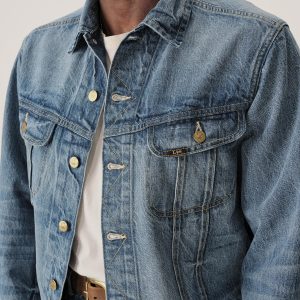
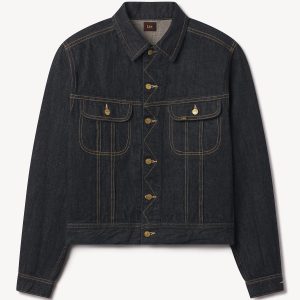
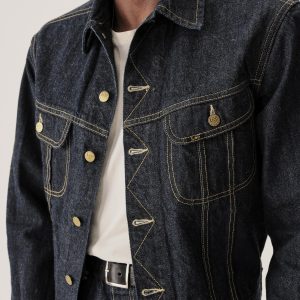
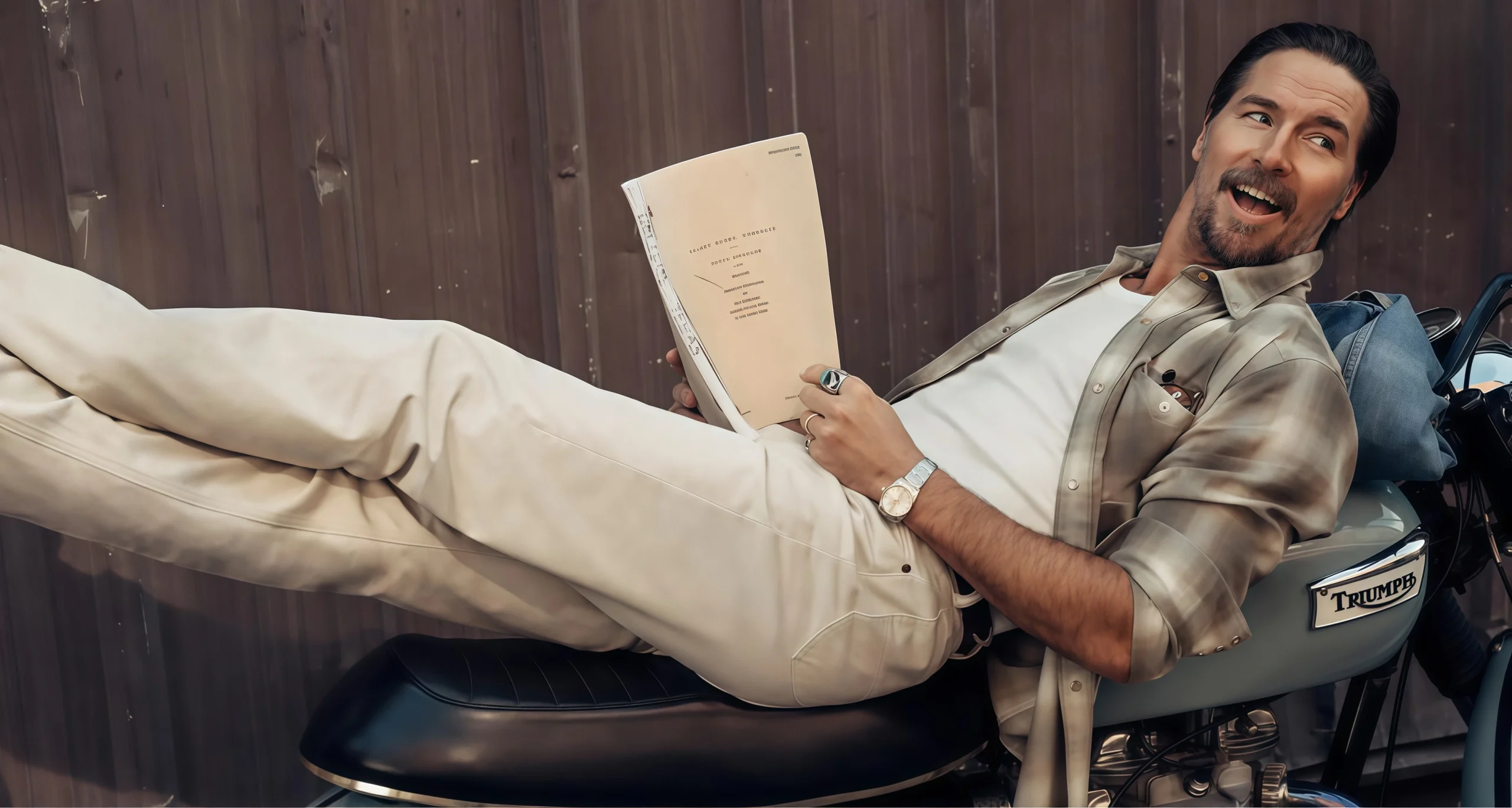
Lee x Buck Mason Westerner Jacket
The return of Lee’s iconic Westerner — rebuilt in Japanese sateen with sharp ’60s lines and a lived-in wash.
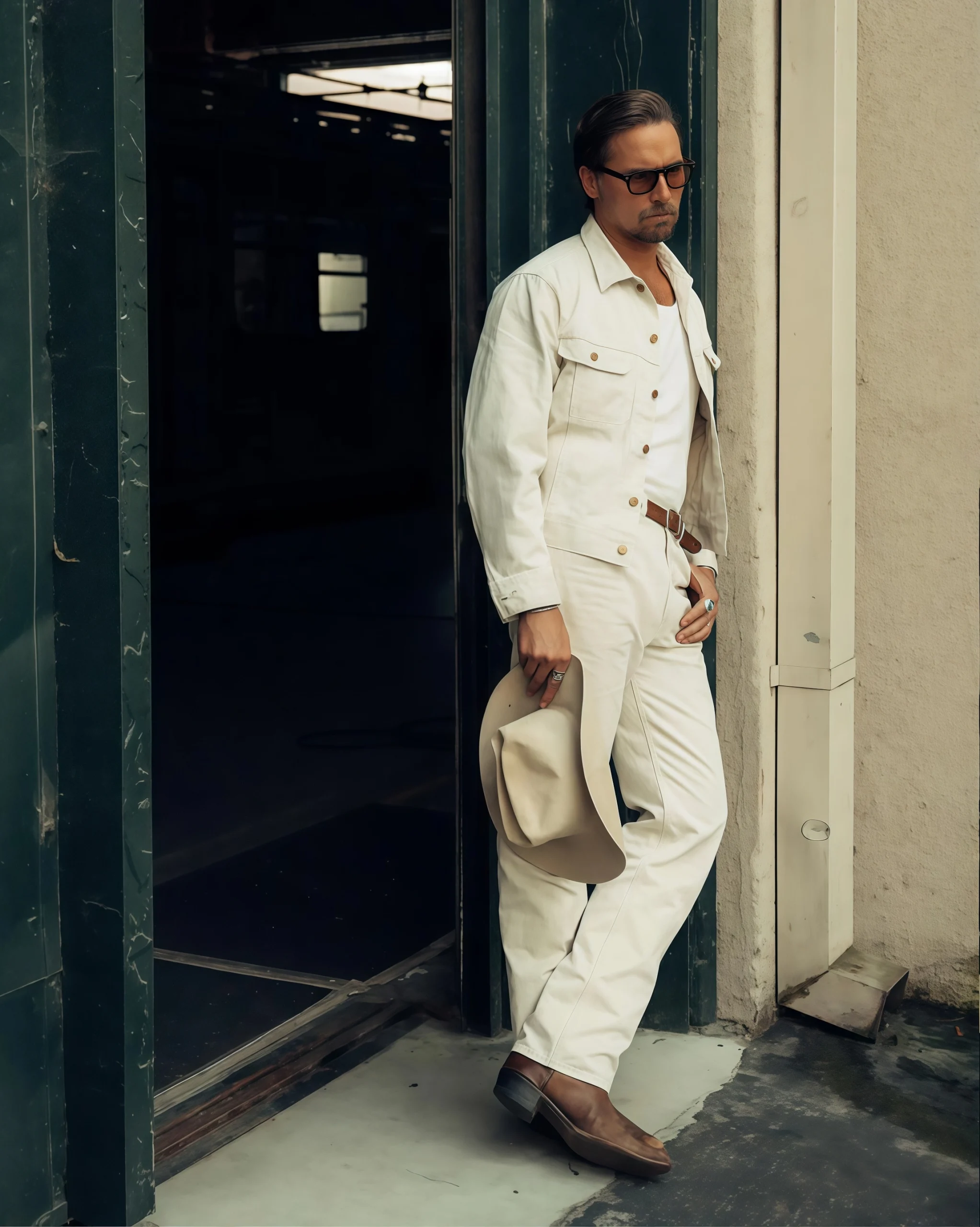
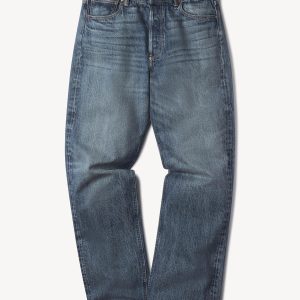
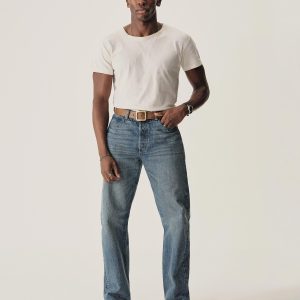
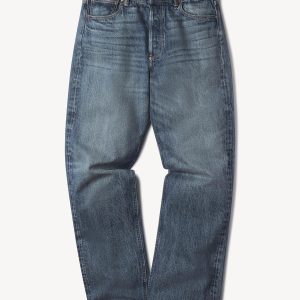
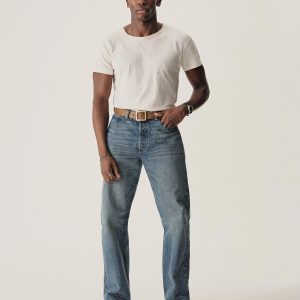
Lee x Buck Mason Westerner Jean
A clean, high-rise cut with western backbone, finished with Lee’s unmistakable midcentury details.
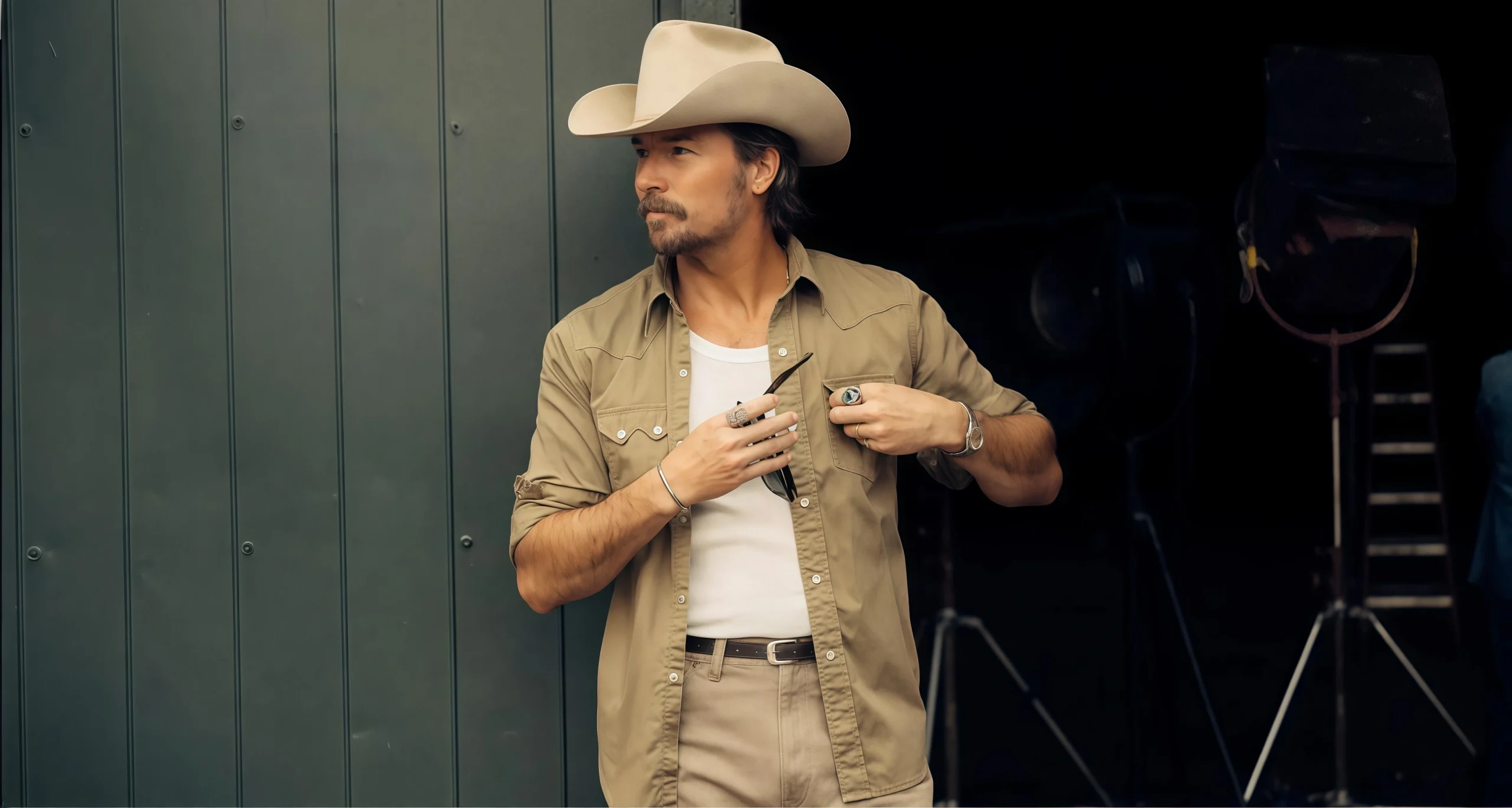
Lee x Buck Mason Westerner Shirt
The classic Lee Westerner shirt, cut with archival sawtooth pockets and a signature sleeve placket.
MEN
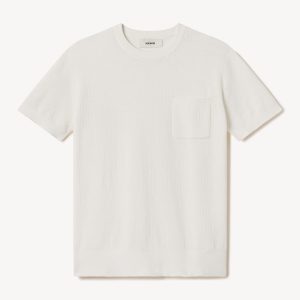
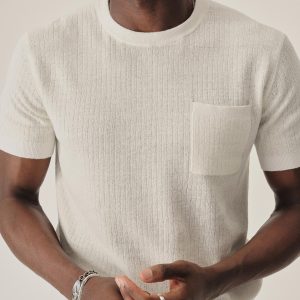
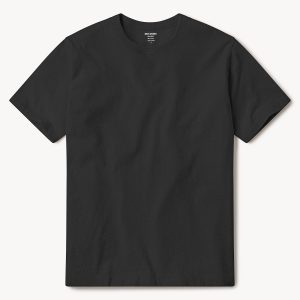
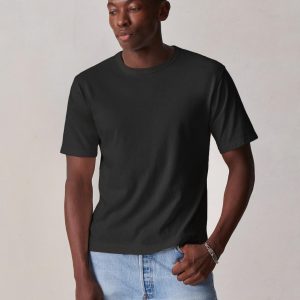
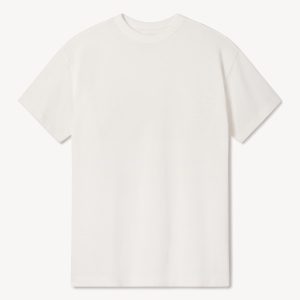
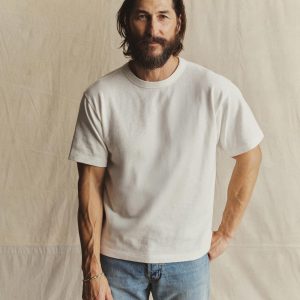
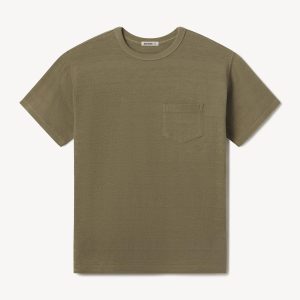
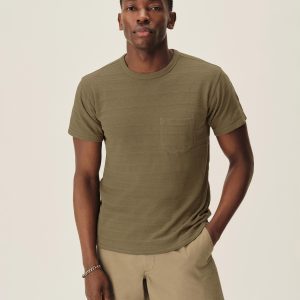
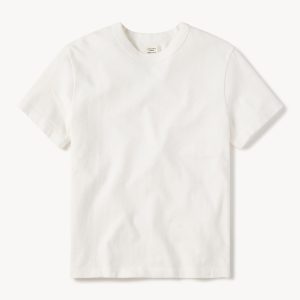

The Enduring Philosophy of Fit: Why Tailoring Remains the Cornerstone of Men’s Style.
The vast and ever-evolving landscape of menswear can often feel overwhelming. From fleeting seasonal trends to the relentless march of technological fabrication, the modern man is bombarded with choices. Yet, amidst this stylistic cacophony, one principle stands as a timeless, unshakeable pillar: fit. It is the silent, yet most potent, determinant of elegance and confidence. While a garment’s design, material, or pedigree might catch the eye, it is the relationship between the cloth and the body—the mastery of fit—that fundamentally elevates the mundane to the magnificent.
To understand the primacy of fit is to grasp that fashion is temporary, but style is permanent. Trends come and go, but the way a jacket frames the shoulders, the break of a trouser leg, or the crisp tuck of a shirt are constants in the sartorial lexicon. A poorly fitting, expensive suit will always look inferior to a well-tailored, modest one. The human form is inherently three-dimensional and asymmetrical, a complex canvas that off-the-rack clothing, designed for an idealized, average silhouette, can only approximate. True style requires a more personal dialogue between the wearer and the garment, a conversation facilitated by a skilled tailor.
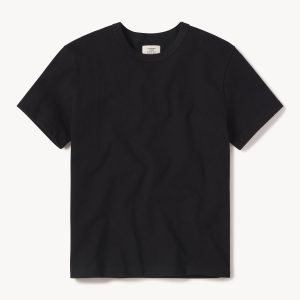
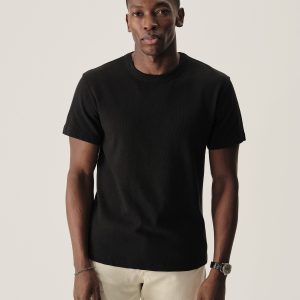
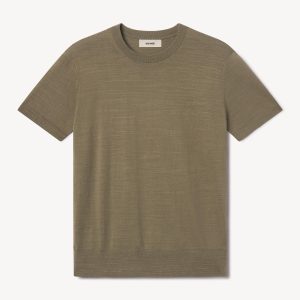
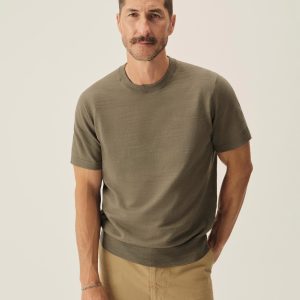
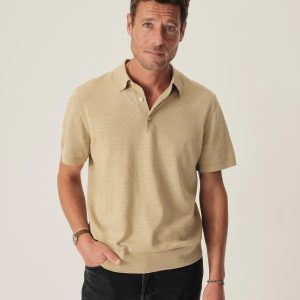
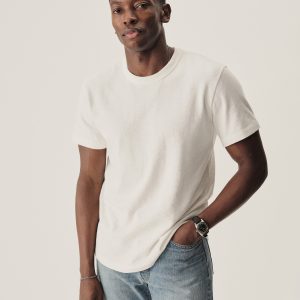
The concept of fit extends far beyond the traditional realm of bespoke suits. It is equally critical in casual wear. Consider a simple pair of denim jeans. A good fit means the waist sits correctly, the seat is comfortable without being baggy, and the leg tapers or straightens in a flattering line to meet the shoe. The difference between a generic, shapeless t-shirt and one with a thoughtfully structured shoulder and sleeve length is profound, transforming a basic staple into a deliberate style choice. The sleeves of a shirt, whether long or short, should end at a precise point that complements the arm and wrist. When everything aligns, the wearer exudes an almost imperceptible air of meticulousness and respect for detail.
The psychological impact of a superior fit is perhaps its most undervalued attribute. Clothes that fit well do more than just look good; they change how a man feels and how he is perceived. When a jacket’s collar hugs the back of the neck without gapping, when the armhole is high enough to allow freedom of movement without pulling, the sensation is one of being both contained and empowered. This comfort translates into confidence, a non-verbal cue that signals competence and self-assurance. Conversely, clothes that are too tight restrict movement and appear strained, while oversized garments swallow the wearer, suggesting a lack of intentionality. Fit, in essence, is a form of self-respect projected outwards.
Achieving the perfect fit is a process, not a purchase. It often begins with understanding one’s own body type—recognizing its natural proportions, strengths, and areas that might benefit from optical adjustments through tailoring. A well-fitted garment can miraculously correct perceived flaws, lengthening the appearance of the torso or streamlining a broader frame. This is the subtle magic of tailoring: it’s not about disguising the body, but presenting its best possible version. The journey usually involves a series of alterations, transforming a mass-produced item into a personal piece of wearable architecture. These alterations—taking in the waist, adjusting the sleeve length, tapering the trousers—are investments that drastically enhance the longevity and value of the garment, making a $20 alteration on a $100 shirt one of the highest returns on investment in a wardrobe.
Furthermore, a discussion of fit cannot ignore the subtle nuances of fabric and drape. A well-tailored garment in a high-quality material will possess a natural drape, falling smoothly and cleanly over the body’s contours. The tailor doesn’t just cut fabric; they respect its innate character. A heavy wool will drape differently than a light linen or a structured cotton, and the fit must accommodate this inherent behavior. The structure of the garment—the canvassing in a suit jacket, the weight of the lining—works in concert with the tailoring to create a fluid, mobile second skin.
The culture of disposable, fast fashion often minimizes the importance of fit, prioritizing rapid turnover and low cost. This trend has regrettably led many men to accept mediocrity in how their clothes sit on their bodies. Re-embracing the philosophy of fit is a revolutionary act in this context—a move towards quality over quantity, permanence over transience. It necessitates a shift in perspective: instead of simply buying an item of clothing, one should view it as raw potential, a canvas ready for personal refinement.
In conclusion, the pursuit of the perfect fit is not an elitist endeavor reserved for the fashion-obsessed; it is a fundamental, democratic principle of good style accessible to all. It is the invisible element that separates dressing from dressing well. By prioritizing how clothes truly sit on the body, a man not only elevates his outward appearance but also solidifies an internal sense of confidence and composure. It is the bedrock upon which all sophisticated menswear is built, an enduring testament to the power of precision.